Western notions of property
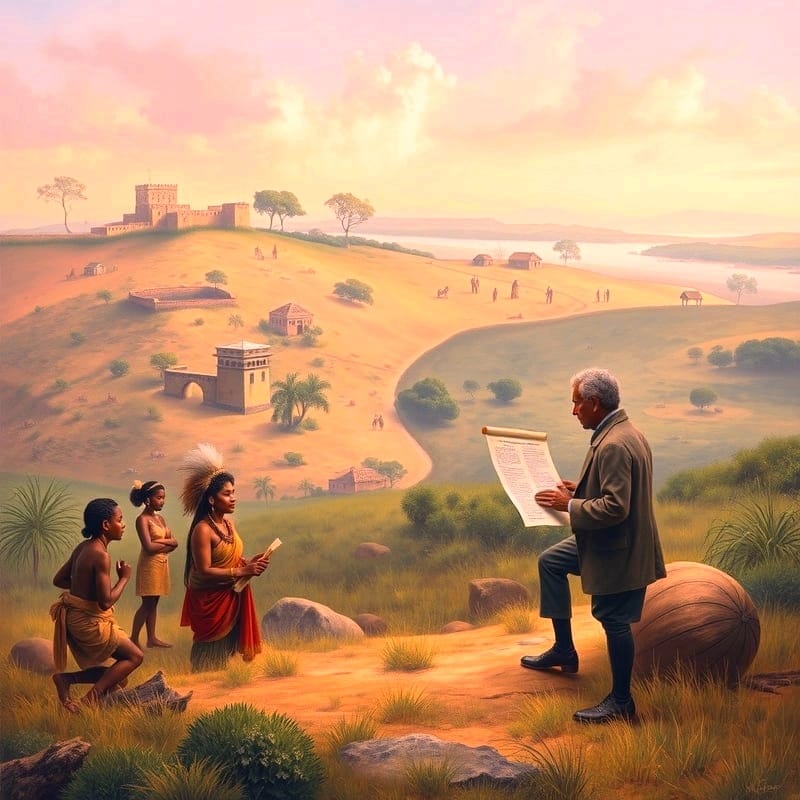
Western property systems generally emphasize individual ownership, exclusive rights, and the commodification of land and resources. According to the Western notions of property, people are considered the exclusive owners who can use or exploit environmental resources as materialistic possessions for personal benefit and to generate profit, often motivated by greed.
This framework evolved through specific historical developments including Roman law, feudalism, enclosure movements, and capitalist expansion.

Western property is typically characterized by:
– Individual title and exclusive control
– Rights to use, exclude others, transfer, and derive economic benefit
– Land as a commodity that can be bought and sold
– Documentation through formal legal systems (deeds, titles)
– Separation of people from land (land as object rather than relation)
Indigenous proprietary conceptions
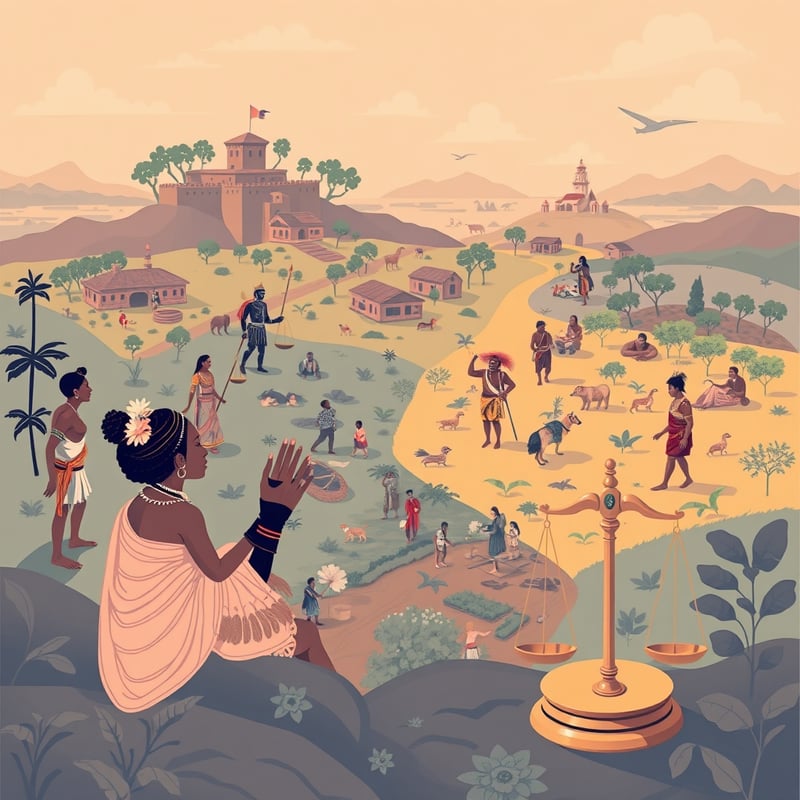
Indigenous people’s relationship with the land (considered Mother Earth) is part of their cultural heritage, and their rules reflect their sacred wisdom. Indigenous people consider themselves part of the ecosystem and responsible to protect natural resources to preserve balance. The lack of a Western recognised legal system caused indigenous people to face abuse, violence, genocide and trauma.
Indigenous leaders have been fighting to get their land rights and cultural rights recognised worldwide.
Indigenous proprietary conceptions are strictly related to the spiritual connection with the land:
– Collective or communal rights rather than individual ownership
– Responsibilities and obligations to land alongside rights
– Relational rather than transactional connections to place
– Custodianship models emphasizing care for future generations
– Spiritual and cultural dimensions of ownership
– Protocols for access and use based on kinship and community needs
– Recognition of land as living entity with agency and rights
1989 – American Indian Activist Russell Means testifies at Senate Hearing
The Senate Select Committee on Indian Affairs and the Special Committee on Investigation held hearings to examine various matters relating to Indian affairs. This hearing focused on problems arising from Federal Government representation of Indian interests and alleged fraud and corruption in regulating contracting on Indian reservations.
The relationship between land ownership, land rights and human rights
Aboriginal title and Terra Nullius: Mabo v Queensland (No 1-2)
20 mag 1982 – 3 giu 1992
This picture represents the Mabo case that became pivotal in the recognition of the Aboriginal Title.
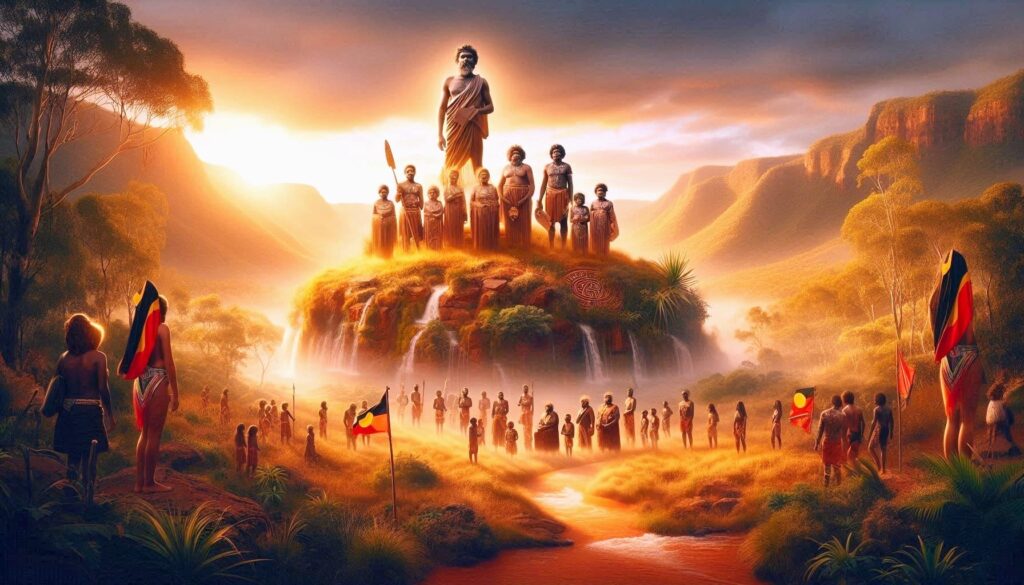
The Mabo Case challenged the existing Australian legal system from two perspectives:
- On the assumption that Aboriginal and Torres Strait Islander peoples had no concept of land ownership before the arrival of British colonisers in 1788 (terra nullius).
- That sovereignty delivered complete ownership of all land in the new Colony to the Crown, abolishing any existing rights that may have existed previously.
The Racial Discrimination Act 1975 prevailed over the Queensland Coast Islands Declaratory Act 1985.
The High Court found the Queensland Coast Islands Declaratory Act 1985 to be invalid because it was in conflict with the Racial Discrimination Act 1975.
The High Court recognised the fact that Indigenous peoples had lived in Australia for thousands of years and enjoyed rights to their land according to their own laws and customs. Twelve months later the Native Title Act 1993 (Cth) was passed.
The Native Title Act 1993 (Cth) (NTA) is legislation passed by the Australian Parliament that recognises the rights and interests of Aboriginal and Torres Strait Islander people in land and waters according to their traditional laws and customs.
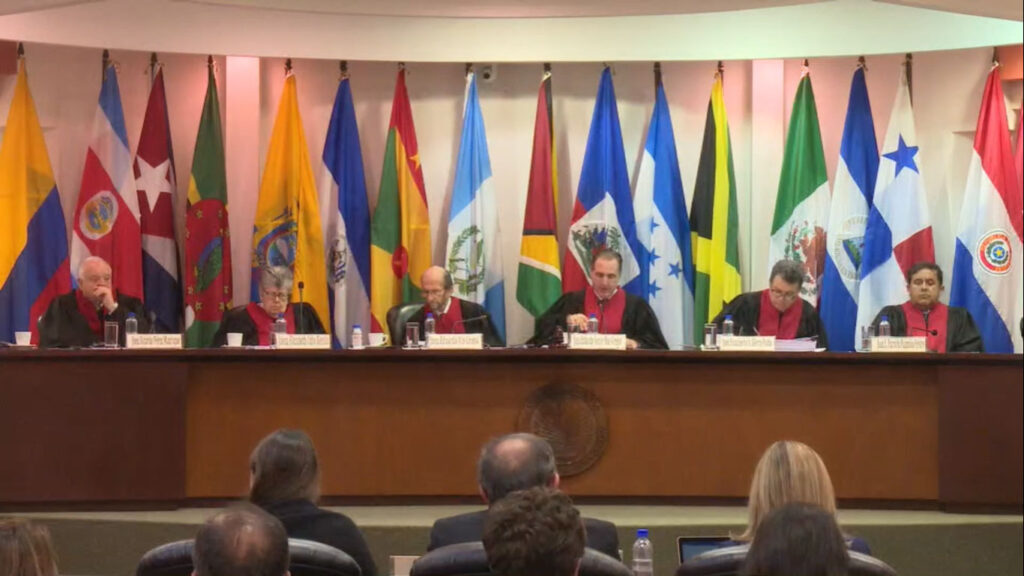
The Awas Tingni v Nicaragua [2001] case was the first major recognition of tribal land rights by an international adjudicative tribunal in the modern era.
The Difference Between Cultural Property and Cultural Heritage
While cultural property refers to specific tangible items with identifiable ownership and legal protections, cultural heritage encompasses broader intangible and tangible expressions of a group’s collective identity that transcend conventional ownership frameworks.
The United Nations Declaration on the Rights of Indigenous Peoples (UNDRIP) was adopted by the General Assembly on Thursday, 13 September 2007, by a majority of 143 states in favour, 4 votes against (Australia, Canada, New Zealand and the United States) and 11 abstentions (Azerbaijan, Bangladesh, Bhutan, Burundi, Colombia, Georgia, Kenya, Nigeria, Russian Federation, Samoa and Ukraine). It’s worth noting that all four countries later reversed their positions and endorsed the Declaration – Australia in 2009, the United States and New Zealand in 2010, and Canada in 2016, though they each issued interpretive statements clarifying their understanding of certain provisions.
The declaration is non-binding but represents an important international consensus on indigenous rights and has become an influential framework for policy development in many countries.
“This Declaration sets out a universal framework of minimum standards for survival, dignity, well-being and rights of the world’s indigenous peoples. It addresses individual and collective rights including culture, identity, education, health and employment.”
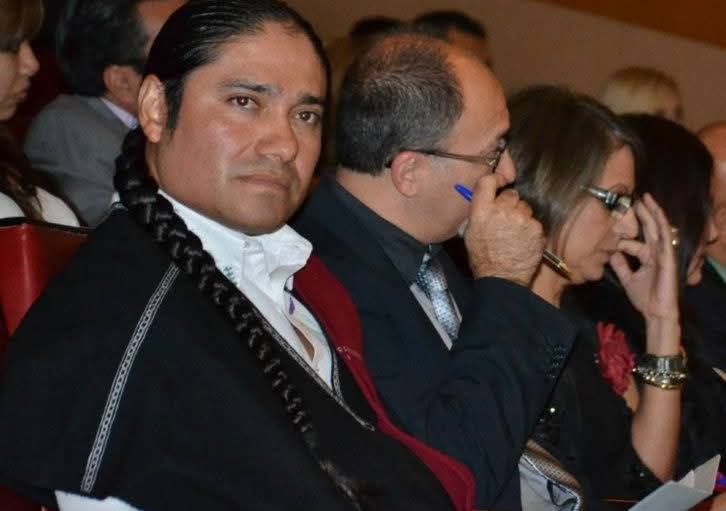
In July-August 2018, I helped Amaruk Kayshapanta to win a case of international child abduction (HCCH 1980 Hague Child Abduction Convention) in Poland where the child’s mother (a Polish woman) tried to use his culture against him to separate him from his child.
We proved the habitual residence of the child who was taken to another country without the father’s permission. We got the child returned to his home country, in Spain, proving that when a Western legislation collaborates with Indigenous wisdom social justice prevails.