Beyond actual buildings, the home encompasses identity, belonging, nostalgia, and even conflict.
Popular culture reflects and shapes our perception of home, including anything from films
and TV shows to books and music. By examining different settings, we can discover
how home is depicted as an area of refuge and a place of struggle.
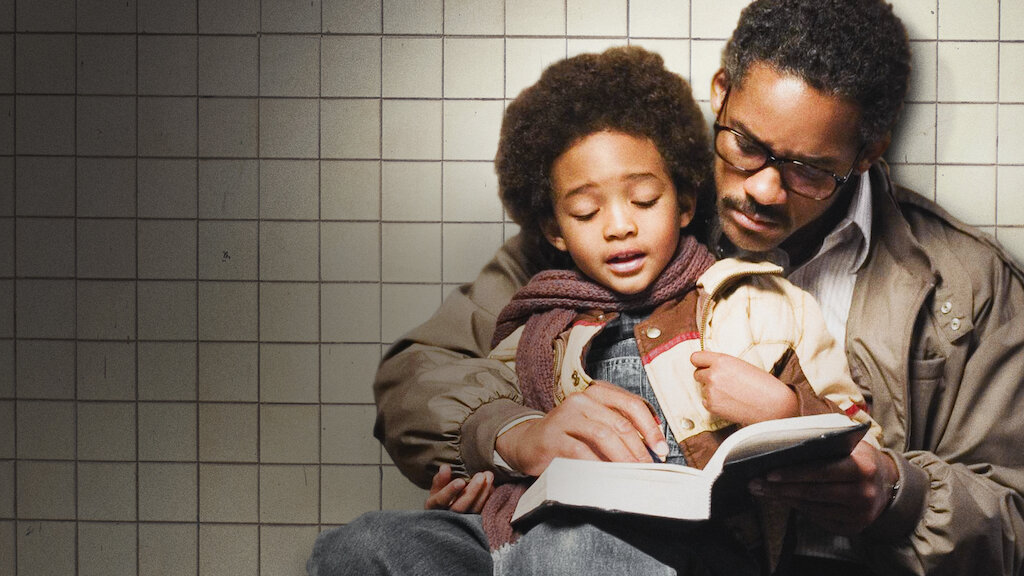
Firstly, in The Pursuit of Happyness, home is portrayed as an emotional and cultural
concept rather than a geographical location. Chris Gardner’s relationship with his
child demonstrates that, even without a physical home, an atmosphere may seem
like home when tenderness and affection are present.

In terms of culture, the movie captures the paradoxes and aspirations of the
American Dream. While it honours perseverance and ultimate achievement, it also
highlights how systemic discrimination makes it nearly unobtainable for many people
to have a secure home.
Lastly, the film criticises the commodification of home and property, which makes
living a privilege rather than a right. Chris’s experience demonstrates how being a
homeowner becomes a sign of security and social participation, while being without
property deprives individuals of autonomy and dignity.
In summary, the film challenges viewers to reconsider home as a place of care,
belonging, and resiliency rather than merely a structure.
Let us analyse the construction of the concept of home, both in cinema and in real-
world contexts—specifically in the French Drama Custody and the American practice
of separating children from their parents at the Mexico border.
Xavier Legrand’s home is shown as a place of terror rather than protection. This film
centres on Miriam, a mother battling to shield her son from Antoine, her violent ex-
husband. Even if she lives in an entirely distinct apartment, her home is still
susceptible to physical and mental infiltration. The film’s final sequence, in which
Antoine uses a shotgun to break into her flat, effectively demonstrates how the legal
concept of a home as private property disintegrates when organisations fail to
protect those powerless.
This domestic nightmare emerges in your stereotypical average apartment;
nonetheless, it has been altered into a violent environment. The drama condemns
not merely individual instances of aggression but also the patriarchal, cultural, and
legal structures that condone or ignore domestic abuse.
Now compare this to the Trump administration’s 2018 family separation policy in the
United States, which involved separating migrant children from their parents by force
at the border between the United States and Mexico and placing them in detention
facilities. This is another, but no less alarming, distortion of the concept of the home.
Moreover, this is also prevalent now with the current Trump administration, as many
parents who are “undocumented” in the states have been or are at risk of being
deported by “ICE” (Immigration and Customs Enforcement”) even if their children are
legitimate citizens of the United States resulting in broken homes and families torn
apart.
Fundamental psychological and physiological requirements were not satisfied in the
sterile, frequently overcrowded buildings where children were held—what some
referred to as “cages.” Despite not being homes, these centres became the only
place these kids had for weeks or months. The experience was an overwhelming
trauma. Many kids suffered from toxic stress, anxiety, and pain as a result of
extended separation and future uncertainty, according to a 2019 Office of Inspector
General report.
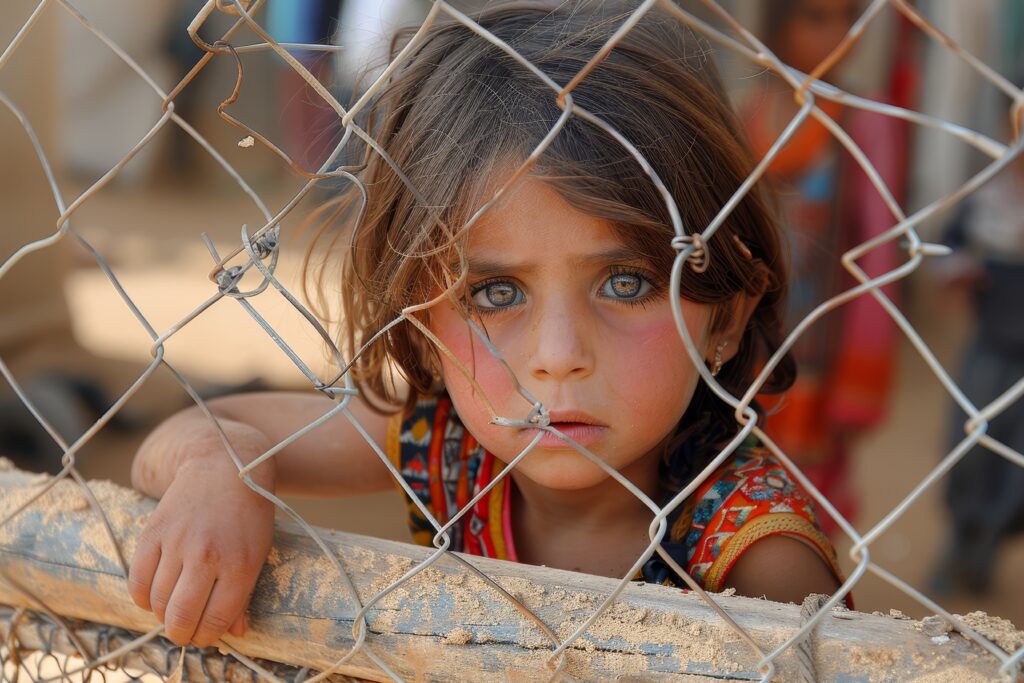
Home becomes a disputed, precarious, and intensely polarising domain in custody
and border conflicts. At the border, it’s the complete erasure of home, depriving
children of their right to family, stability, and security; in custody, it’s the breakdown of
legal protection inside a domestic context.
As these instances demonstrate, home is more than just a building or even a legal
concept. It is an area characterised by connections, safety, and inclusion. When
things are broken—either by a violent spouse or by government regulations—the
home loses its significance and becomes a representation of loss and terror.
In both fictional storylines and real-world crises, popular culture and policy prompt us
to consider: What constitutes a home—and who is entitled to retain it?